Singing is a Skill, Not Just a Gift
One of the most persistent myths about singing is that you either have a voice or you don't. The truth is that singing is a physical skill — one that can be developed, refined, and significantly improved with the right training. Every professional vocalist you admire has invested years in structured practice under expert guidance.
In Jaipur, the demand for quality singing classes has grown significantly as more young musicians pursue careers in independent music, Bollywood, and live performance. Finding the right class makes all the difference — not just in how fast you improve, but in whether you develop healthy vocal habits that last a lifetime.
What Good Singing Classes Actually Teach
Many beginners expect singing classes to be about learning songs. In reality, serious vocal training starts with the fundamentals that most self-taught singers never address: breath control, posture, resonance, and vocal placement.
Breath Support
Diaphragmatic breathing is the foundation of every great vocal performance. Without it, singers run out of air mid-phrase, strain on high notes, and fatigue quickly.
Pitch Accuracy & Intonation
Singing in tune consistently requires ear training alongside vocal practice. Good classes develop both simultaneously.
Vocal Range Expansion
A structured programme will gradually and safely extend your usable range — both higher and lower — without damaging your voice.
Stylistic Training
Whether you want to sing Bollywood, classical, pop, R&B, or Sufi, style-specific coaching shapes how you apply your technique.
Microphone Technique
For anyone planning to perform or record, learning how to work a microphone is as important as the vocal technique itself.
Classical vs Contemporary — Which Should You Learn?
Classical Indian vocal training (Hindustani or Carnatic) builds an exceptionally strong foundation — deep breath control, precise intonation, and an understanding of ragas that benefits every style of singing. It is rigorous and methodical.
Contemporary training focuses on modern pop, R&B, Western classical, and performance technique. It is more immediately applicable if your goal is recording or performing in today's music scene.
The best approach for most students is a blended curriculum that draws from both traditions. At Seven Stones, our vocal coaches are trained in both — so students get a technically strong foundation while developing the contemporary skills the modern music industry demands.
How to Evaluate a Singing Teacher
The quality of your instructor is the single biggest factor in your progress. Look for teachers who are active performers or recording artists — they understand the real-world demands of singing, not just the academic theory.
A good vocal coach will assess your voice individually before designing a programme. They will identify your specific weaknesses — whether that is breath support, break points, diction, or range — and build a plan around those. Be wary of classes that use the same lesson plan for every student regardless of ability.
What to Expect in Your First Lessons
Your first few singing lessons will likely feel more like a physical workout than a performance. Expect exercises, not songs — lip trills, humming scales, siren slides, and vowel placement drills. This is deliberate: you are building the physical machinery that will eventually carry your performances.
Progress in vocal training is non-linear but consistent. Most students notice meaningful improvement in breath control and pitch accuracy within the first 4–6 weeks. Significant range development and stylistic confidence typically emerge after 3–4 months of regular practice.
Why the Studio Environment Matters
Singing in a professionally acoustically treated room is a fundamentally different experience from practising at home or in a regular classroom. You hear your voice clearly, without the flattering reverb of tiled rooms or the deadness of soft furnishings masking your real sound.
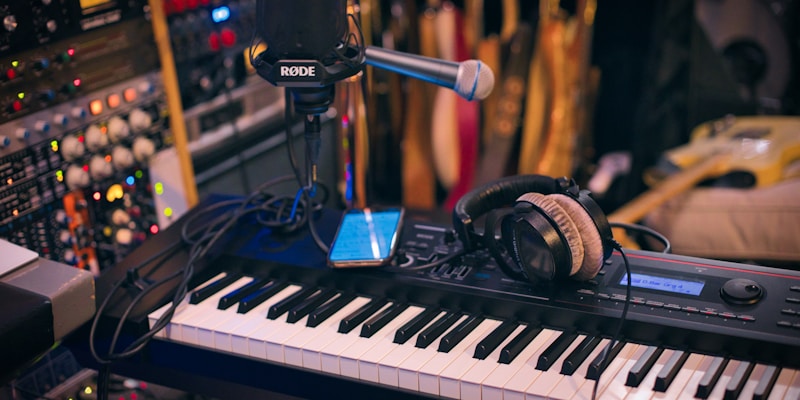
At Seven Stones Studio, vocal students train in a professional studio environment — the same space used for recording. This means that when you eventually step in front of a microphone for a real session, the environment feels familiar rather than intimidating.