Acoustic or Electric — Which Should You Start With?
This is the first question every beginner asks, and the honest answer is: it depends on the music you want to play. If you love strumming folk songs, Bollywood, or singer-songwriter style music, start acoustic. If you are drawn to rock, blues, or fusion, go electric from day one.
The common advice to "start acoustic because it builds finger strength" is largely outdated. Modern electric guitars are often easier on the fingertips and more forgiving for beginners. What matters far more than the instrument is the quality of your instruction and the consistency of your practice.
What Structured Guitar Classes Cover That Self-Teaching Misses
YouTube tutorials can teach you chords. What they cannot teach you is why your technique is wrong and how to fix it before it becomes a habit. Bad posture, inefficient picking mechanics, and sloppy fretting hand technique are nearly impossible to self-diagnose — and they plateau your progress hard.
Fretboard Knowledge
Understanding the logic of the fretboard — not just memorising chord shapes — unlocks the ability to improvise, transpose, and compose.
Right-Hand Technique
Fingerpicking, flatpicking, hybrid picking — each opens different sonic possibilities. Structured classes ensure you develop all of them.
Music Theory Applied to Guitar
Scales, chord construction, and how harmony works on the fretboard separates players who can only follow tabs from those who can create music.
Tone & Gear
Learning to dial in your sound — using amps, pedals, and digital processors — is part of becoming a complete guitarist, not an afterthought.
Stage & Studio Skills
Recording in a studio and performing live require different skills. A complete guitar programme covers both.
How Long Does It Take to Learn Guitar?
With consistent practice of 30–45 minutes daily, most beginners can play simple songs and chord progressions within 2–3 months. Reaching an intermediate level — comfortable with barre chords, basic scales, and simple solos — typically takes 6–12 months.
Advanced proficiency, where you can improvise confidently, play complex fingerstyle arrangements, or hold your own in a professional session, is a 2–4 year journey. The most important variable is not talent — it is the quality of instruction you receive in the early stages.
What to Look for in a Guitar Teacher
A great guitar teacher is not just a great guitarist. Look for someone who can break down technique into clear, teachable steps and who adapts their approach to your goals and learning style. Ask potential teachers about their methodology — if they cannot explain it clearly, they are probably winging it.
At Seven Stones, our guitar programme is taught by Tanishq Paliwal — a professional guitarist and live performer with 8+ years of stage experience. The curriculum covers acoustic, electric, bass, and ukulele, ensuring students develop versatility alongside technical mastery.
The Advantage of Learning in a Professional Studio
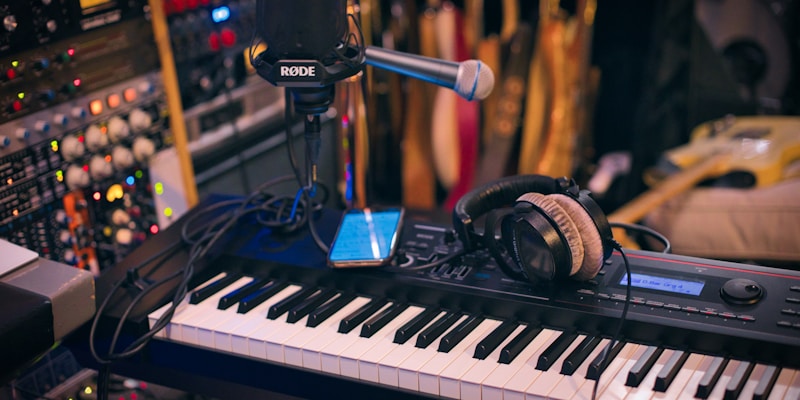
Most guitar classes happen in a living room or a small teaching studio. Learning in a professional recording studio environment changes what is possible — you can record your playing, hear it back critically, and understand exactly what needs work.
Seven Stones students get access to studio recording sessions as part of their guitar programme, using professional microphones, amps, and digital processors. By the time you finish the course, you will have real recorded material — not just theoretical knowledge.